Shutting roof top solar panels-An ominous crime
- Editor
- May 1, 2026
- English Header, Opinions
- opinion
- 0 Comments
Professors Oliver Ileperuma and I M Dharmadasa
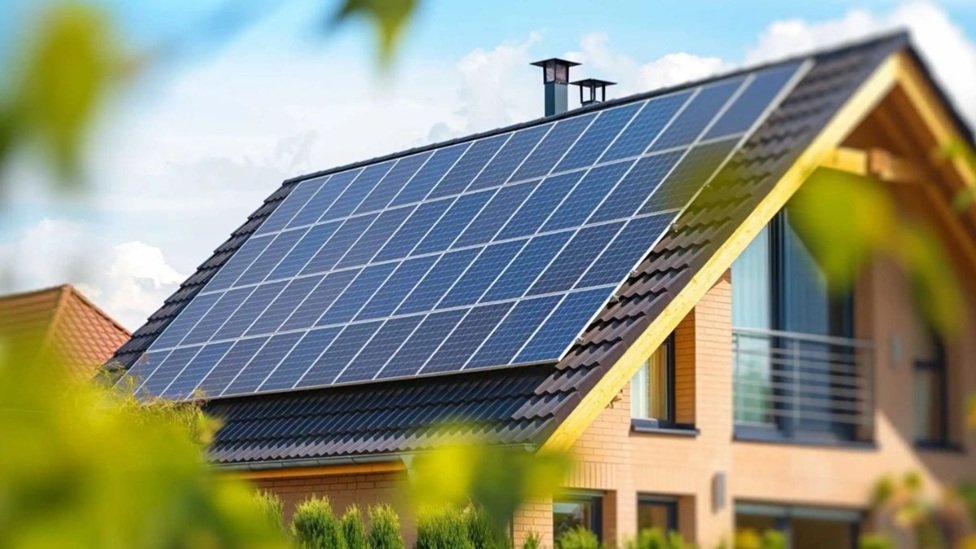
The Island newspaper’s lead news item on the 12th of April 2026 was on the CEB request to shut down rooftop solar power during the low demand periods. Their argument is that rooftop solar panels produce about 300 MW power during the day and there is no procedure to balance the grid with such a load.
We as well as a large academic and industrial consortium members have been trying to promote solar energy as a viable and sustainable power source since the early 1990’s. We formed the Solar Energy Society and made representations to Government politicians about the need to have solar power generation. This continuous promotional work contributed to the rapid increase in PV solar companies from three in the early 1990’s to over 650 active PV solar companies established today in the country. These companies have created tens of thousands of high-quality jobs, as well as moving in the right direction for sustainable development.
However, all these efforts appear to have been in vain since the CEB policy makers have continuously rejected solar energy as a viable alternative. Their power generation plans at that time did not include solar energy at all but only relied on imported coal power plants and diesel power generation. Even at the meetings where CEB senior staff were present, we emphasized the importance of installation of battery storage facilities and grid balancing for which they have done nothing at all over the past three decades. Now they have grudgingly accepted the need to include solar energy, which was an election promise of the present government. The government policy is that Sri Lanka should go for renewables to satisfy 70% of its energy needs by 2030 and soon move towards the green hydrogen technology by using solar and wind energy.
The question that comes to the general public is why can the diesel generators and hydropower stations not be shut off one by one to accommodate the solar power generated during the daytime? Unlike a coal powered plant, diesel generators and hydro power plants can be shut off in a relatively shorter period of time. Norochchalai Lakvijaya power plant produces around 900 MW of power while the total country requirement is 2500 MW on a daily basis. The remainder is provided by diesel generators, hydro and other renewable energy sources.
The need for work to achieve this goal of grid balancing should be the primary responsibility of the CEB. Modern grid balancing systems are in operation in countries such as Germany where around 56% of its energy come from renewable sources. They also plan to increase this to reach 80% of the energy required through renewables by 2030. Our CEB is hell bent on diesel power plants. Who benefits from such emergency power purchases is anybody’s guess?
The Government and the CEB should realize that all roof top solar plants are privately financed through personal funds or bank loans with no financial burden on the Government. It is a crime to request them not to operate these solar panels and get the necessary credits for the power transmitted to the national grid. It appears that the results of CEB’s lack of grid balancing experience and unwillingness to learn over three decades have now passed to the privately-funded rooftop solar panel owners. It is unfortunate that the Government is not considering the contributions of ordinary individuals who provide clean power to the national grid at no cost to the Government. Over 150,000 rooftop solar panels owners are severely affected by these ruthless decisions by the CEB, and this will lead to the un-popularity of this new government in the end.